
Definitions of pain universally agree that it is an unpleasant experience, so why have we not evolved to live without it?
The answer is that pain is essential for animals to navigate safely within their environments, and evidence of pain sensation has been reported in studies of octopus and fish, birds, reptiles, and mammals. Detection of stimuli (heat, cold, pressure, or chemical) that have the potential to cause tissue damage enables the animal to avoid this immediate danger. Because tissues such as skin, muscle, and bone contain pain-sensing nerve endings, any damage that is caused to the animal generates pain which persists for the period of tissue healing. This has the benefit of reducing the use of damaged tissues and encouraging the animal to rest away from predators. One of the major functions of pain is the formation of memories, which increase the likelihood that animals will avoid the danger in the future. The unpleasantness of pain can be considered a ‘positive punishment’ in terms of training, which is why it creates effective learning but is also associated with increases in sympathetic activation, stress, and anxiety.
As we have seen, pain does confer an evolutionary advantage to animals. Unfortunately, it can be considered a double-edged sword. In some cases, even after the resolution of tissue damage, pain can persist (e.g. after surgery or amputation) and become a disease in itself. In other cases signals which are associated with tissue damage occur on an ongoing basis (e.g. inflammation in osteoarthritis, muscle pain). Finally, we can see situations where the nervous system begins to generate pain independently of any tissue damage.
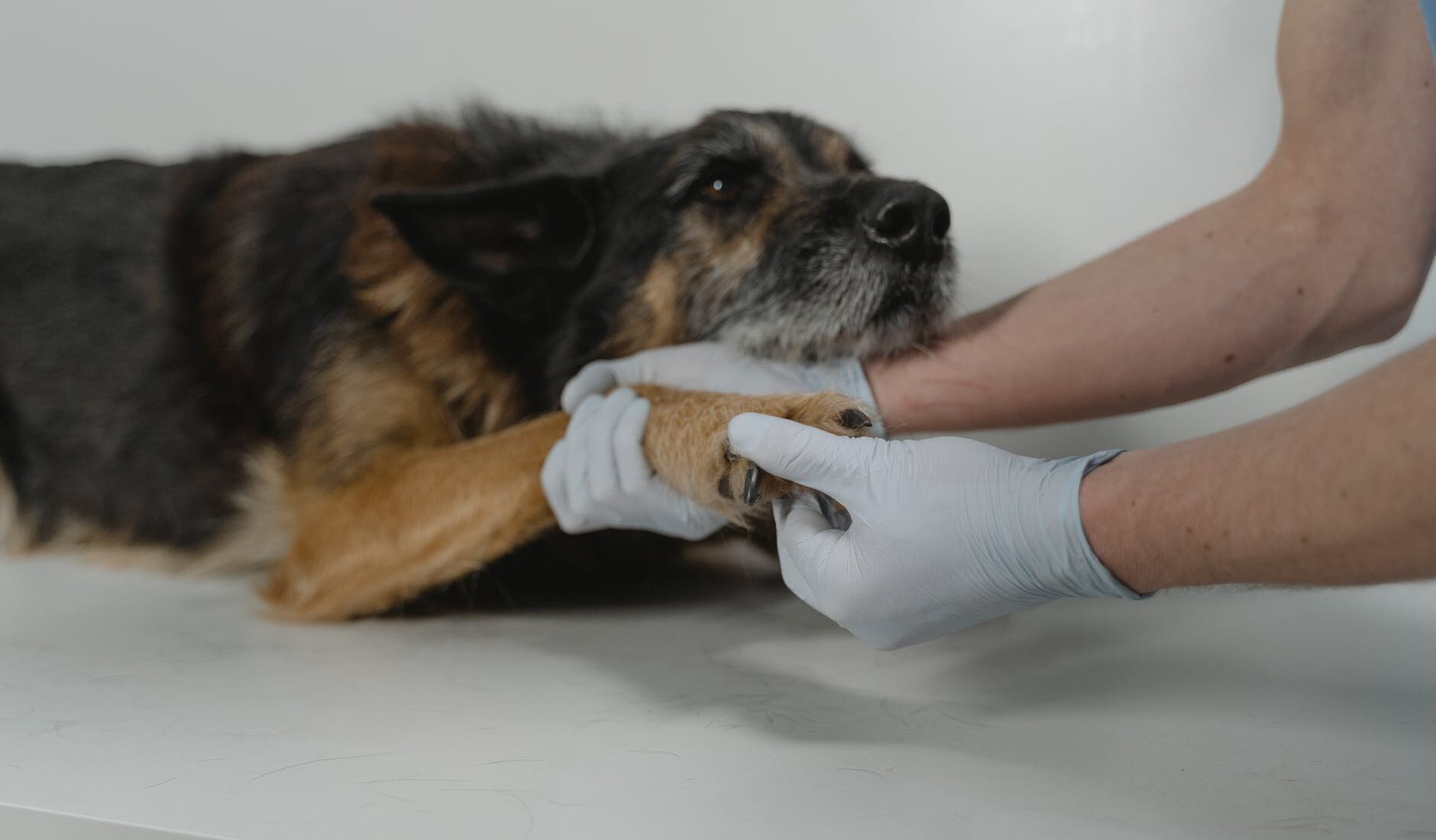
Because pain is unpleasant and generates feelings of stress and anxiety, ongoing pain conditions represent a significant welfare problem but fortunately, thanks to the hard work of many researchers, the knowledge of vets and allied professionals in managing pain has vastly increased over the past decade. In common with human pain conditions, we recognise that a multi-disciplinary team is often necessary for optimal management of pain in animals and that obtaining an accurate diagnosis is often the first step in a long road to recovery. But as we know, a journey of a thousand miles begins with one step.
If you are worried that your pet may be experiencing a painful condition, do speak to your vet. If they think it necessary there are now a number of highly trained vets across the country who can offer advice or accept referral cases for pain management.